Design Program Management & Studio Operations
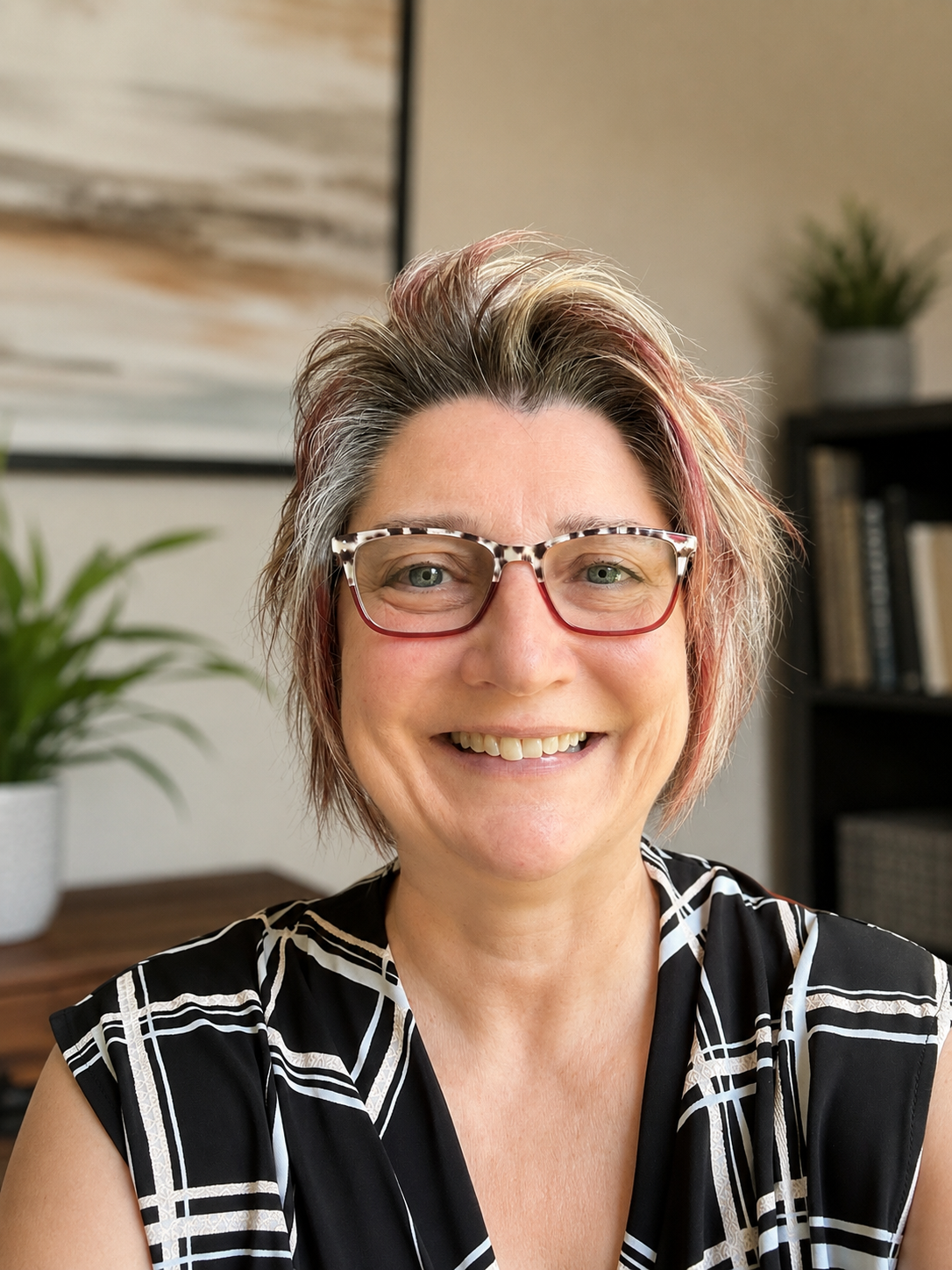
Hope Turner
Building the infrastructure that lets design organizations do their best work.
Design Program Management & Studio Operations
Building the infrastructure that lets design organizations do their best work.
Most design operations leaders come from project management or production. I came from design.
I was doing motion graphics and interactive design before the discipline had a name, before the tools made it easy, before anyone called it UX. That foundation is what makes me a different kind of design operations leader: I don't manage design from the outside. I understand it from the inside. It also means I design with all users in mind — human-centered design isn't a methodology to me, it's a commitment to making experiences that work for everyone, not just the majority case.
Many of my early peers moved on to other fields as the industry shifted and the tools changed. I stayed, not out of inertia, but out of genuine excitement about where this field was going. Every wave brought new challenges and new ways to do the work better: the web, mobile, design systems, AI. I've grown through all of them, and I'm still growing.
Practitioner First
I came from design, not operations. A career built on making things — from broadcast motion graphics to enterprise systems — means I understand what good work requires from the inside.
Systems Thinker
I build the infrastructure that makes great creative work repeatable at scale. Governance frameworks, design culture, review rituals — the invisible architecture that lets teams do their best work.
Equity Centered
Human-centered design is a commitment to designing for all users, not just the easy ones. Accessibility and equity are not checklists — they are the standard I hold all work to.
Lifelong Learner
From broadcast television to AI, I have grown with every wave this field has produced. Staying curious is not a trait — it is a practice. The next wave is always the most interesting one.
My career spans three distinct acts. I started in entertainment and advertising, creating broadcast motion graphics for the Olympics and Atlanta Braves, designing Coca-Cola Brasil television campaigns through McCann-Erikson Rio, and building interactive experiences for Turner Classic Movies and WWF. I was making things for the web before most people knew what it was.
From there I moved into large-scale digital properties including Superbowl.com, USOpen.com, and Wimbledon.com, then enterprise software at IBM, AI-powered Watson products, and UX work at Apple. Along the way I built research programs, led accessibility initiatives, and designed systems that had to work for millions of users across dozens of contexts.
For the past several years I've been at USCIS, where I came in as the first-ever Design System Program Manager and built the function from scratch. That work, the component library, the governance frameworks, the design culture, now extends to DHS headquarters and multiple federal agencies.
The through-line across all of it is the same question: how do you build the systems and culture that let creative people do their best work at scale? AI is the next wave, and I'm as excited about it as I was about every wave that came before.
A selection of organizations and brands I've designed for throughout my career.












The first person to hold this role — I built the design operations infrastructure for a 100+ designer organization from scratch. When my branch chief went on a six-month detail, I stepped up to run the design function, meeting with all design teams and product managers to maintain standards and keep every initiative moving. I drove Figma's full procurement, SSO integration, and federal whitelisting from zero, working directly with Figma's team. The component library, governance frameworks, design culture, and a CTO-commissioned journey mapping initiative I built now extend to DHS headquarters and multiple federal agencies.
"Hope is one of the most talented and dedicated UX designers I've had the pleasure of working with. She is an exceptional team leader who ensures platform-wide consistency and adheres to design systems. She delivers measurable outcomes that align with the product vision and has an impressive ability to expand design research programs and establish strong relationships with existing customers and business partners. Hope's skills in strategy, agile methodologies, web design, project management, UX research, and accessibility make her an asset to any team."
Kay Johnson · Human-Centered. AI-Enabled.
Projects across every screen, format, and scale — from broadcast to brand systems.